
Engineered OLED Solutions
Custom PMOLED Displays
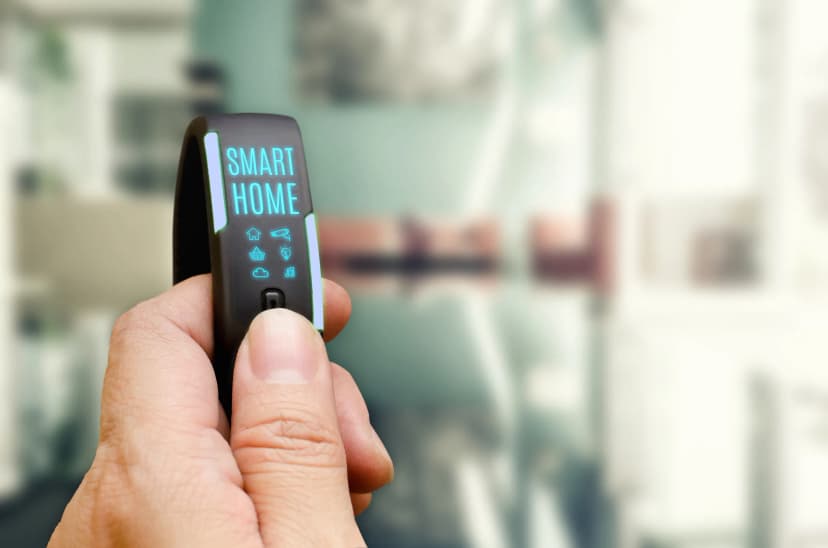
A PMOLED is an organic light emitting diode that uses a simple control scheme where each row is controlled sequentially. PMOLED displays are restricted in resolution and size — typically up to 3 inches — and are used for character data, icons, wearables, small gadgets, sub displays, and instrumentation.
Size Range
0.5" ~ 5.9"
Max Resolution
256x64 or 160x128
Contrast Ratio
2000:1
Viewing Angle
160°
Interfaces
8080, SPI, I2C
Structures
COG, COF, TAB
When Should You Consider Creating a Custom Display?
Your new design requires application-specific changes that justify moving beyond a standard display
You already have a design and need a display that matches it
Many projects begin with a standard off-the-shelf product and then move to targeted changes once application requirements are clear.
Customizations We Offer
Panel
0.5" ~ 5.9"
Customizable — max 256x64 or 160x128
COG, COF, TAB (TAB older, not recommended)
OD, VA, AA, thickness — all customizable
Monochrome or full color, customizable polarizer
2000:1 contrast, 160° viewing angles
Temperature changes require review because high temperatures can shorten lifetime
8080, SPI, I2C, custom connector type and PIN assignment
Custom shapes, heater for low temps, sunlight readable
Change shape, add double-side tape, other customizations
Increased lifetime by reducing brightness
Cover
Plastic or glass
AR, AG, HC coatings
Custom thickness, hardness, transmittance
Custom shapes, drill holes
Black mask, logo, icon, color
Bezel
Metal or plastic
Custom location
Custom location
Customizable
Touch
RTP (Resistive) or CTP (Capacitive)
GG, GFF, GF, DITO, SITO, On-cell, In-cell
Single, multi, or gesture
Customizable
Bonding
Standard attachment method
Eliminates air gap for contrast and readability
Advanced bonding for temperature-sensitive components
OCA or OCR options
Others
Printed circuit board assembly
8080, SPI, I2C
Voltage conversion for your power architecture
Why Choose US Micro Products?
Reliable Source
From technology selection through mass production, our team manages your custom PMOLED project end to end. One source for design, validation, production, and lifecycle management.
Reliable Product
Every custom PMOLED goes through our EDSP process — EVT, DVT, and PVT validation before reaching your production line. Quality, availability, and lead time remain central to the process.
Competitive Price
PMOLED is a cost-effective technology for small displays. Our engineers optimize custom designs for manufacturability, performance, and total cost.
Frequently Asked Questions
What is the difference between PMOLED and AMOLED?
A PMOLED uses passive matrix driving (sequential rows) while an AMOLED has a transistor at each pixel with a storage capacitor. PMOLEDs are simpler, lower cost, and ideal for small displays up to 3 inches showing character data or icons. AMOLEDs support larger sizes, higher resolutions, and full-color video.
What sizes are available for custom PMOLED?
Custom PMOLED displays range from 0.5 inch to 5.9 inches diagonal. The largest resolution currently available is 256x64 or 160x128. Most PMOLED applications are under 3 inches.
Can PMOLED displays operate in extreme temperatures?
PMOLED lifetime can shorten at high temperatures, so temperature-range changes should be reviewed carefully. Heaters can be added for low-temperature operation where appropriate.
What interfaces are supported?
Standard PMOLED interfaces include 8080, SPI, and I2C. Custom connector types and PIN assignments are available to match your system architecture.
All custom displays follow our Engineered Display Solution Process (EDSP) — from technology selection through EVT, DVT, PVT, and mass production.
Ready to Start Your Custom Project?
Our display engineers can guide the customization process and help identify a solution that fits your product, sourcing needs, and production path.
Request a Quote